How to Remove Unwanted Pests in a Scarborough Apartment Building
When living in Scarborough apartment buildings, pest problems can move quickly because units often share walls, plumbing, laundry areas, hallways, and other building systems. Within a large apartment complex, one small pest infestation can soon develop into a building-wide issue if it is not identified and treated early. For that reason effective pest control scarborough residents can rely on usually needs more than a quick spray: it requires inspection, resident cooperation, sanitation, and coordinated action from tenants, landlords, and property management.
In Scarborough, which is part of the City of Toronto, many homes are older high-rise or multi-unit housing properties with the kind of shared infrastructure that pests use to move around. Cockroaches, bed bugs, mice, and rats are the most common concerns, but ants, silverfish, wasps, and spiders can also show up in and around buildings. The key is to find the source of infestation, treat the problem properly, and prevent recurrence with a practical plan.
What pests are most common in Scarborough apartment buildings?
The typical pest complaints in rental properties usually involve cockroaches, bed bugs, mice, and rats. These pests proliferate in multi-unit buildings because they can find meals, water, and shelter spots with relative ease. In Scarborough, especially in older apartment towers and dense rental buildings, these issues can move from one suite to another if they are not handled promptly.
Cockroaches are often associated with cooking areas, washrooms, garbage storage, and hidden warm spots behind appliances. They can survive in narrow crevices and multiply rapidly if sanitation issues and food access are not addressed.
Bed bugs are different because they are not drawn to food waste. They spread through furniture, luggage, clothing, and wall voids, and they can travel between units in shared housing. They are one of the most troublesome pests in apartment life because they are hard to detect early and even harder to eliminate without a suitable treatment plan.
Mice and rats are common where there are entry points around pipes, doors, vents, or garbage areas. Rodents are especially drawn to food residue, clutter, and shelter. In multi-unit housing, one neglected area can support an entire population.
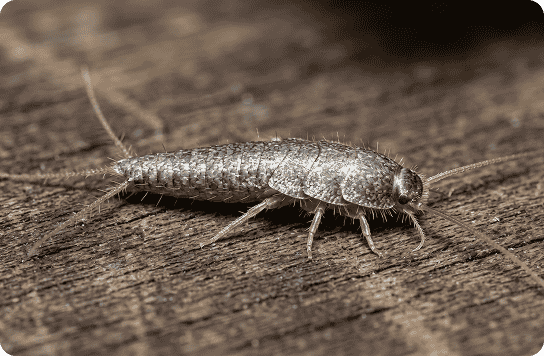
Other pests can appear too. Ants may enter for food and water. Silverfish often show up in damp storage spaces, closets, and bathrooms. Wasps can nest near balconies, rooflines, and exterior vents. Spiders are often more of a nuisance than a health threat, but their presence can signal insect activity nearby.
How do pests spread from unit to unit in an apartment building?
Infestations travel in apartment buildings through a combination of construction, traffic, and everyday practices. In multi-unit housing, shared walls are a primary route. Tiny gaps around wall edges, outlets, pipes, and utility penetrations can become regular entry points for insects and rodents. Once pests find a protected route, they can pass silently between suites, hallways, and service areas.
Garbage chutes are another major concern in larger buildings. If waste areas are not kept clean, they can attract cockroaches, flies, and rodents. Odours, spills, and overflow create simple feeding opportunities. Chutes and nearby compactor rooms can also act as movement corridors if pests are already present.
Common laundry rooms, storage lockers, boiler rooms, and hallway closets can also become hidden transport routes. Bed bugs can spread through soft goods and second-hand furniture, while mice and cockroaches can move along plumbing and electrical lines. In many cases, the issue is not just one unit; it is the full building environment, especially when maintenance gaps and sanitation issues are present.
That is why pest https://toronto-onln359.yousher.com/how-to-find-out-if-pest-activity-is-worsening-in-scarborough control in apartment settings needs to focus on the complete system, not just the suite where pests were first noticed. If the source of infestation is not identified, treatment may only offer brief relief.
What ought to tenants do first when they see pests?
If you see signs of pests, respond fast. The first step is to note down what you saw and where you saw it. Photograph the area when possible, note the date and time, and look for signs like droppings, shed skins, bites, gnaw marks, or live insects. This helps back up an inspection and makes it easier for the landlord or property management team to respond.
Then, focus on reporting to landlord or the property manager right away. Early reporting gives the building a better chance to stop the pest problem before it spreads. In apartment buildings, delays can allow pests to move through surrounding suites, utility chases, and common areas.
Tenants should also use basic sanitation steps while waiting for treatment. Keep food in sealed containers, wipe counters, take out garbage regularly, and limit clutter where pests can hide. Good food storage habits matter a lot with cockroaches, ants, and mice. Clutter reduction is equally important because piles of boxes, bags, and unused items create harbourage areas.
Cooperation from residents is essential. If management asks for access for an inspection or treatment, grant access. If you are told to prepare your unit, follow the instructions carefully. Pest treatment works best when everyone in the affected area participates.
In apartment pest situations, waiting usually makes the problem worse. Fast reporting and coordinated response are the most effective first steps.
What are landlords and property managers responsible for?
Landlord responsibilities in Scarborough apartment buildings typically include maintaining the premises in a state of repair, dealing with infestations, and organizing appropriate pest control services. Property management teams are usually the day-to-day contact for residents, but the core responsibility is to ensure the building is checked, handled, and maintained properly.
Once a pest complaint is reported, the building should arrange an assessment to find affected areas, determine the likely source of infestation, and decide which units or common spaces need treatment. For many pest issues, a one-unit response is not enough. If pests can travel through the building, the treatment must be coordinated.
Pest treatment should be based on the pest type and the building layout. A professional provider may recommend bait placement, powder application, trap placement, crack and crevice treatment, or other targeted methods. After treatment, a follow-up inspection is important to confirm that activity is dropping and to make adjustments if needed.
Landlords and managers should also communicate clearly with residents. That means giving preparation instructions, arranging access, explaining the treatment plan, and making sure residents know what to do before and after service. In multi-unit housing, poor communication can sabotage even a good pest management program.
How do you eliminate pests in an apartment complex effectively?
The most effective approach is integrated pest management. This means using inspection, monitoring, sanitation, exclusion, targeted treatment, and ongoing follow-up rather than relying only on pesticides. In a Scarborough apartment building, this is often the best practical way to reduce pests in the long run.
Building-wide treatment may be required when pests are traveling between several suites or common sections. That is especially true for bed bugs, cockroaches, and rodents. A solid program starts with finding the source of infestation, then servicing infested units and surrounding units as needed. It also includes closing entry points and reducing food and water access.
Monitoring traps can help identify whether pests are still moving and where they are going. They are especially useful for roaches and rodents, since they help technicians map pest pressure and inform future visits. Observation also helps confirm whether sanitation improvements and structural repairs are effective.
Proper pest management is not just about killing pests. It is about changing the conditions that allow them to survive in the first place.
Which treatments are most effective for roaches and ants?
For cockroaches and ant problems, the top results usually result from a mix of hygiene, preventive sealing, and crack and crevice treatment. These insects hide in tight areas, behind appliances, around baseboards, under sinks, and in wall voids. Using only surface treatment is usually not enough.
Hygiene problems matter a great deal. Leftover food, grease, sticky spills, and open garbage can support cockroach activity. For ants, food storage habits are essential. Dry goods should be sealed, pet food should not sit out overnight, and counters should be kept clean. In many apartment buildings, the challenge is not just the pest itself but the conditions that create a problem.
When pest activity is high, technicians may deploy focused baits and dusts in concealed areas rather than general spraying. This approach is more exact and can work better in occupied buildings, especially where residents are reactive to odor or exposure concerns.
What is the best approach for bed bugs in shared housing?
Bed bugs in shared housing usually require a careful and decisive response. Heat treatment is often one of the most effective methods because it can reach hidden bugs in beds, furniture, trim, and other harbourage areas. However, heat treatment must be done properly and often works best as part of a fuller plan.
Mattress encasements are also very useful. They help capture any bugs already in the mattress and make inspection easier over time. Box springs, bed frames, and nearby furniture should be checked and treated as needed. If the problem involves multiple suites, the building may need to treat infested units and adjacent spaces at the same time.
Bed bug control depends heavily on preparation and follow-up. Residents may need to launder bedding, reduce clutter, and avoid moving untreated items between rooms. If residents cooperate fully, the chances of success rise considerably.
How are mice and rats controlled in apartment buildings?
Effective rodent control starts with exclusion. Gap sealing around pipes, utility lines, doors, vents, and foundation openings is essential because rodents only need small openings to enter. In older Scarborough buildings, these gaps can be common, especially around service corridors and loading areas.
Rodents also rely on shelter, food, and nesting material. That is why harbourage areas such as storage rooms, cluttered basements, and neglected utility spaces must be addressed. Garbage rooms, recycling areas, and chutes should be cleaned and maintained regularly. If food waste accumulates, the population pressure can keep rising.
Devices and other control measures are useful, but they work best when the building eliminates access and places to nest. Rodent issues often come back when the underlying construction issue is ignored. That is why the most effective programs blend sanitation, proofing, observation, and regular evaluations.
When ought you to reach out to a licensed pest control company in Scarborough?
You should contact a licensed when the pest issue is recurring, spreading, not easy to recognize, or impacting several units. If you are dealing with cockroaches, bed bugs, mice, or rats in a building setting, specialized support is often needed because the problem is rarely isolated. This is especially true when the issue involves shared walls, garbage chutes, or repeated sightings in hallways and laundry rooms.
A experienced pest control scarborough provider can design a bespoke treatment plan based on the building type, pest species, and level of activity. The right company should understand apartment-building pest management, rather than only single-home treatments. That includes coordination with landlords, property management, residents, and maintenance staff.
Look for a provider that uses inspection-led service, clear communication, and follow-up work. If the problem is severe, ask how they handle building-wide treatment, preparation, and reinspection. A good pest control partner should work to uncover the source of infestation, not just the visible symptoms.
What is the way can a building prevent pests from coming back?
To prevent recurrence, the building needs a care and upkeep-based strategy. Pests return when they still have access to food, moisture, shelter, and entry routes. That is why prevention should include frequent assessments, fixes, cleaning, and resident education.
Clutter reduction is one of the easiest ways to cut down on pest hiding spots. This matters in suites, storage areas, utility rooms, and basement corridors. Old boxes, abandoned furniture, and stacked items create perfect shelter for insects and rodents.
The building should also keep working on common entry points. That includes caulking around pipes, fixing door sweeps, fixing torn screens, and closing gaps in walls and floors. Regular maintenance around garbage rooms, compactor areas, and chutes is also important.
Prevention works best when it becomes part of routine building operations. If property managers inspect problem areas regularly and respond quickly to leaks, debris, and structural damage, the building is far less likely to face repeated infestations.
Mosquito Man Scarborough1225 Kennedy Rd, Scarborough, ON M1P 4Y1, Canada
+1 647-243-7241
https://maps.app.goo.gl/8SuLx1MkkqVJFc2m9 https://mosquitoman.ca/pest-control/scarborough/
43.7561897, -79.2751574
What nearby resources can Scarborough residents use for pest problems?
Because Scarborough is part of Toronto, residents can look to local public-health guidance when pest issues become a concern. Toronto Public Health is a relevant resource for information about pest-related concerns, sanitation, and reporting guidance, especially when a problem may affect health or multiple households.
Residents in Scarborough apartment buildings should also use their landlord or property management team as the first building-level contact. If the issue is not being addressed, keeping a written record of complaints, photos, inspection notes, and treatment dates can help support further action.
In some situations, city or public-health reporting guidance may help clarify next steps, especially if there are repeated sanitation issues or a building-wide pest problem. For tenants, the key is to report early, document the issue, and keep following up until the infestation is properly controlled.
In established high-rise communities across Scarborough, pest problems are often manageable when everyone does their share. The mix of assessment, communication, exclusion, hygiene, and treatment gives the strongest chance of fixing the issue and stopping it from coming back.
Frequently Asked Questions
Who is responsible for pest control in an apartment building in Scarborough?
In the majority of cases, landlords and property management are responsible for booking pest control and upkeeping the building, while tenants are responsible for maintaining their units sanitary and working with with inspections and treatments. In practice, good pest control requires both sides to collaborate.
How quickly should a landlord respond to a pest complaint?
They should respond as soon as possible. A fast response helps limit spread, allows for early inspection, and lowers the chance that the pest infestation will move into nearby units. Delays often make the situation more costly and harder to fix.
Can one infested unit affect the whole building?
Yes. One infested unit can affect the whole building, especially in multi-unit housing with shared walls, pipes, hallways, and garbage chutes. Cockroaches, bed bugs, mice, and rats can all spread beyond the original suite if the source of infestation is not controlled.
What is the most effective way to get rid of bed bugs in an apartment?
The most effective approach is usually a combination of inspection, heat treatment, mattress encasements, clutter reduction, and treatment of all infested units and nearby areas as needed. Bed bugs are difficult to eliminate without a coordinated plan and resident cooperation.
Do I need a professional pest control company for mice or cockroaches?
In apartment buildings, absolutely, a professional is usually the best option. Mice and cockroaches often require inspection, monitoring traps, gap sealing, sanitation improvements, and targeted treatment. Because they can spread through the structure, professional pest management is often the fastest and most reliable solution.